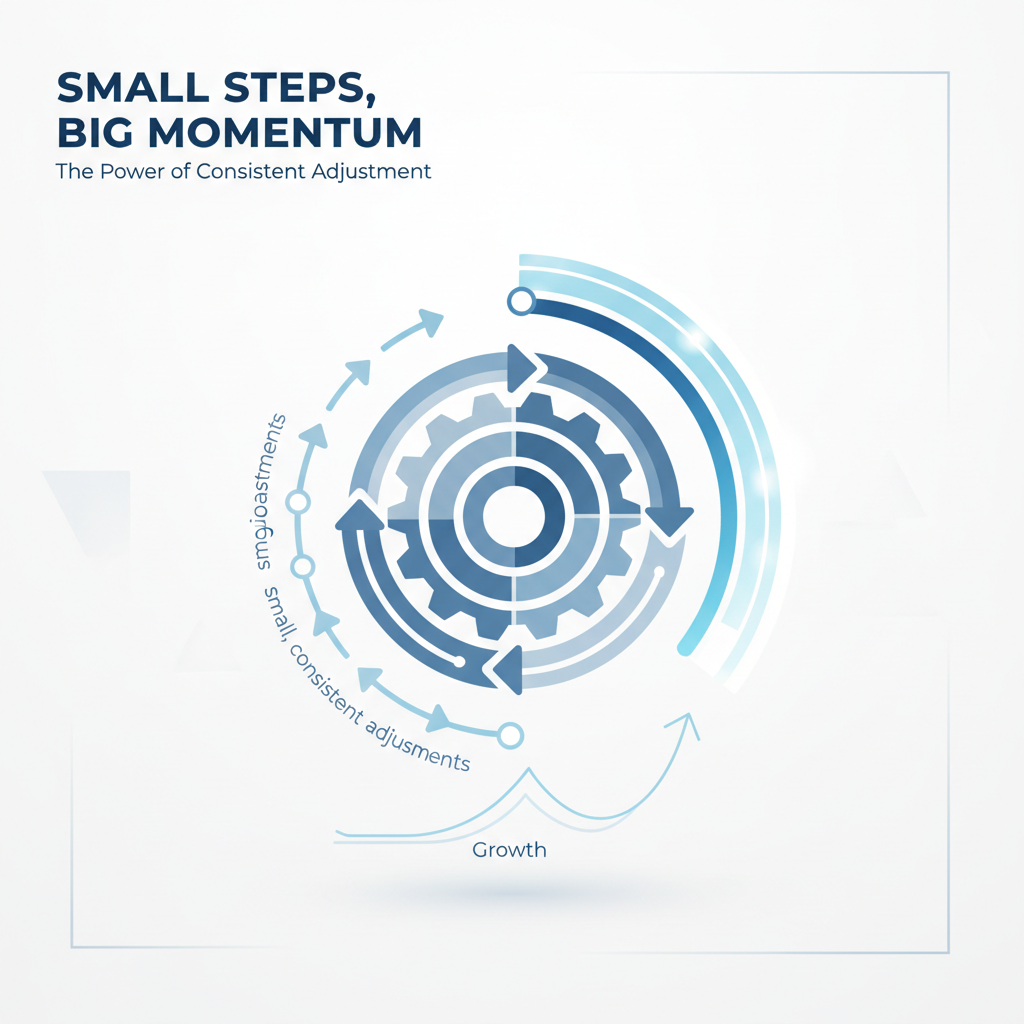
Artificial intelligence is redefining how businesses remain visible in the digital landscape. But here’s the kicker—not through flashy, earth-shattering strategies, but by valuing small, consistent adjustments. AI visibility isn’t about one-time heroics; it’s about building momentum through precision, patience, and persistence.
If your business relies on AI-driven platforms (spoiler alert: it does), you’ll want to learn why incremental changes beat dramatic overhauls in staying relevant. Below, we’ll break down how AI systems work, why they reward consistency, and how your business can excel by focusing on steady, deliberate improvements.
How AI Thinks (Spoiler: Simplicity is Key)
AI systems are complex, but their preferences can often be boiled down to three core traits:
- Clarity Over Complexity
AI thrives on digestible information. The clearer your content, structure, or data, the easier it is for algorithms to process and rank it favorably. Trying to get overly creative or complex can backfire by muddying the message. - Stability Over Constant Change
AI models are designed to spot patterns. Frequent, drastic changes to your content or strategy can disrupt these patterns, making it harder for the system to view your business as reliable or authoritative. - Reliability Over Glamour
While big, bold strategies might generate temporary attention, AI systems reward trustworthiness and dependability over time. Think of reliability as the foundation upon which visibility is built.
Take search engines, for example. They prioritize websites that consistently provide updated, valuable information rather than sites that sporadically make large-scale changes.
The Flywheel Effect and Why It Matters
The flywheel is a concept borrowed from mechanical physics, and its application in business is strikingly relevant. Here’s the idea: getting a flywheel to spin requires immense effort at first, but small, consistent pushes help build unstoppable momentum over time. Once it’s spinning, that momentum works for you.
For AI-driven platforms, the flywheel effect can look like this:
- Regularly refreshing your website with blog posts, updates, or new product pages.
- Consistently measuring and tweaking ad campaigns for better performance.
- Monitoring and optimizing search engine rankings without trying to “game” the system.
Think of your visibility strategy not as a sprint but as a long-term “spin” that pays off through small wins compounding over time.
Why Dramatic Overhauls Can Break Momentum
While it might be tempting to upend your strategy for quick wins, those big pivots often do more harm than good. Here’s why:
- Disrupting Established Patterns
AI algorithms rely on interpreting established data patterns. Major changes can reset or confuse those patterns, reducing rankings or visibility. - High Risk, Low Reward
Overhauling your presence on search engines, social media, or ad platforms isn’t just resource-intensive; it’s risky. There’s no guarantee that bold shifts will yield long-term benefits. - Burnout for You and Your Team
Big, dramatic change often translates into a heavy workload, leading to stress for your team. Small, manageable adjustments are easier to implement and sustain over time.
Actionable Steps to Maintain AI Visibility
Enough theory; how do you actually apply these principles? Here’s a simple but effective roadmap.
1. Audit Regularly, But Don’t Overreact
Start with an audit of your website, content, and ad campaigns. Look for opportunities for improvement without making drastic changes.
Example: Update meta descriptions and title tags to improve search rankings, but don’t overhaul your site’s URL structure unless absolutely necessary.
2. Create Consistent, High-Quality Content
AI loves clear, reliable information. Develop a content calendar and stick to it, whether it’s monthly blog posts, weekly social updates, or quarterly whitepapers.
Example: A B2B company might release a short industry insights post every other week to consistently demonstrate authority.
3. Monitor Metrics and Make Small Adjustments
Big data is great, but focus on micro-trends over time. Tiny tweaks to ad targeting or small changes in headings can yield surprising results.
Example: Adjust a call-to-action (CTA) button’s color or wording, measure click-through rates (CTR), and iterate from there.
4. Build on What’s Working
Once you identify something that resonates with your audience, lean into it. Don’t overhaul what works; optimize it further.
Example: If tutorial-style blog posts are your best-performing content, expand in that niche rather than trying a completely new format.
5. Stay Patient and Stay the Course
Visibility takes time. It’s easy to get distracted by competitors’ flashy strategies, but maintaining your focus is key. Remember, momentum builds slowly but surely.
The Long-Term Benefits of Incremental Improvement
When you commit to small, consistent changes, the rewards compound in multiple ways:
- Sustained Visibility
You ensure you remain visible and relevant in an AI-dominated environment. - Resource Efficiency
You save time, money, and resources by avoiding the need for expensive overhauls. - Audience Trust
Consistency in communication builds credibility and trust with your audience. - Better Decision-Making
With consistent tweaks, you can measure and refine what works best without the guesswork of large-scale changes.
Final Thoughts
Maintaining AI visibility is not about being the loudest or the flashiest. It’s about showing up, optimizing small things, and letting the flywheel take over. By prioritizing clarity, stability, and reliability, your business builds a foundation that algorithms love to reward.
Ask yourself today: “What’s my next small adjustment?” Because small changes, repeated over time, lead to extraordinary results.