AI-driven technologies like advertising optimization, recommendation algorithms, and visibility strategies are no longer futuristic concepts. They’re here, reshaping industries daily and creating winners and losers in the marketplace. If your business isn’t preparing to work with AI, it’s effectively falling behind.
Understanding how AI evaluates, recommends, and monetizes businesses can help you not only survive but thrive in a dynamic and competitive environment. This article breaks down three game-changing concepts shaping the new era of digital success.
1. The AI Ad Readiness Score: Your Competitive Benchmark
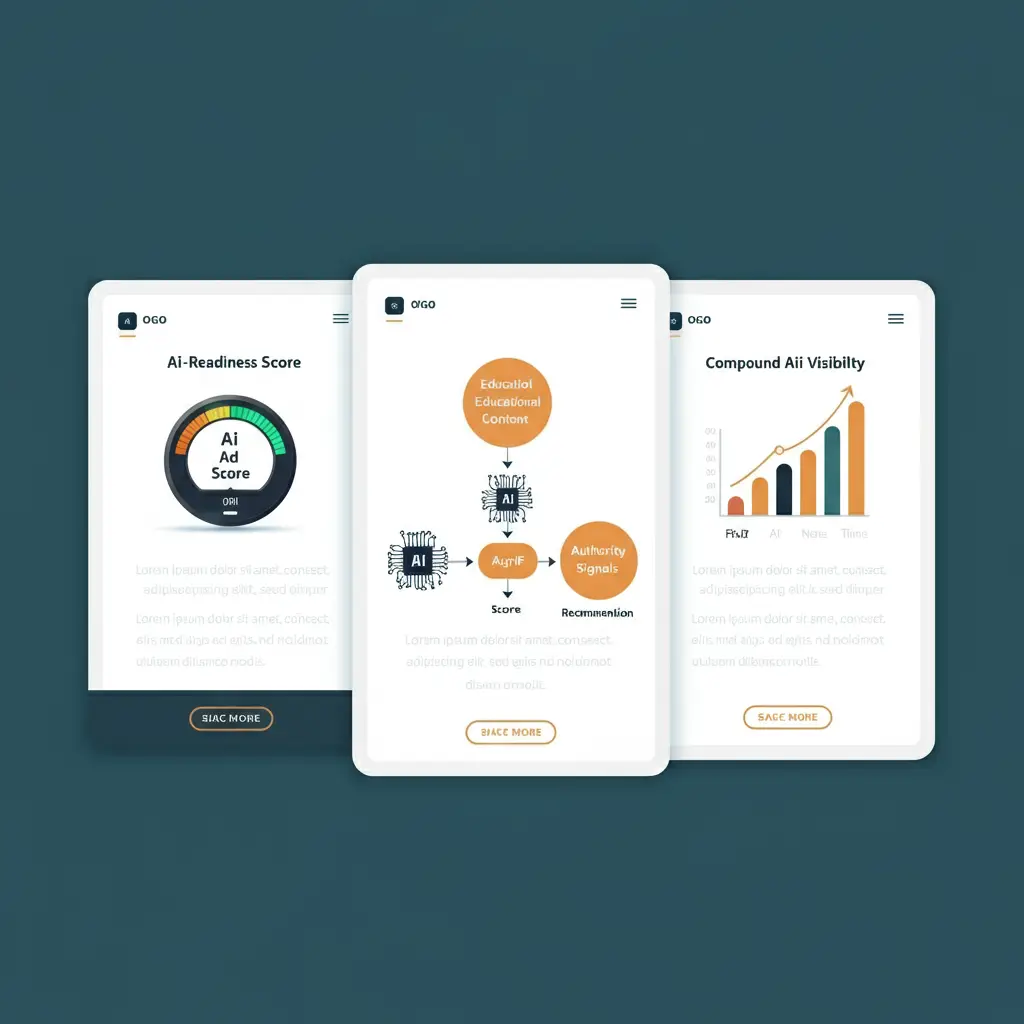
Ever wonder why some businesses crush their ad campaigns while others burn through money with little ROI? The secret lies in their AI Ad Readiness Score. This metric evaluates how well your business is positioned in the AI ecosystem when it comes to trust, visibility, and relevance.
Why AI Trust Matters
AI systems, like ChatGPT or Google’s advanced algorithms, don’t solely reward businesses based on advertising budgets. Instead, they elevate businesses that display credibility and value. This means AI trust is now the currency of effective advertising.
The Math Behind AI Advertising Success
Here’s how AI visibility affects lead costs during ad campaigns:
- High AI visibility combined with strategic ads results in leads costing $2–$5 each.
- Low AI visibility pushes lead costs up to $25–$50.
- No AI visibility can leave businesses paying $100+ per lead.
Take two consulting firms as an example:
- Firm A spent six months building AI trust and achieved a Readiness Score of 78.
- Firm B ignored AI trust and had a score of just 12.
When ChatGPT ads launched:
- Firm A saw a flood of affordable, high-quality leads.
- Firm B struggled with high costs just to be seen.
The takeaway? Building your AI Readiness Score ensures you’re positioned for low-cost, high-efficiency campaigns.
Practical Tips to Improve Your AI Ad Readiness Score
- Build trust signals by collecting customer reviews, testimonials, and backlinks from credible sites.
- Audit your content strategy to align with AI-friendly practices, like using concise, authoritative language.
- Focus on educational and problem-solving content, as these position your business as a trusted resource.
2. Decoding the AI Recommendation Algorithm
AI doesn’t just optimize advertising; it’s also now a powerful engine behind recommendations. Algorithms decide who gets suggested in search queries, chatbot conversations, or integrated assistant prompts.
The AI Recommendation Formula
After analyzing over 15,000 AI recommendations, here’s how the algorithm works:
- Educational content frequency (40%): Regular, high-quality content boosts your chances of being recommended.
- Resource depth (25%): Guides and thorough answers outperform surface-level solutions.
- Authority signals (20%): Demonstrating expertise (e.g., being cited by credible sources) builds trust.
- Conversational relevance (15%): Aligning your language with what customers are asking ensures relevance.
Why This Matters for Ads
AI recommendation systems and paid ad platforms are converging. Your ranking in recommendations will soon influence your ad placement and cost per click. The businesses aligning their strategy with this algorithm today will get a head start.
Tips for Optimizing for Recommendations
- Commit to posting helpful, educational content at least three times a week.
- Create in-depth resources like white papers or ultimate guides answering FAQs in your niche.
- Stay conversational by mimicking the way your customers search or talk online. Use tools like Google autocomplete or customer surveys for insights.
Hesitating today means scrambling tomorrow when ad costs rise. Investing in algorithm-friendly practices now is more than a smart move; it’s becoming essential.
3. The Compound Effect of AI Visibility
Unlike traditional strategies that produce linear results, AI visibility compounds over time. This means the earlier you start, the larger your long-term advantage.
The Compounding AI Visibility Timeline
Here’s how visibility builds with consistent effort:
- Months 1–3: AI systems start discovering and citing your content.
- Months 4–6: Your relevance strengthens, and recommendations become consistent.
- Months 7–12: AI recognizes your authority, positioning your business at the top of recommendations.
- After 12 months: You dominate 80+% of relevant search results in your industry.
Real-World Success Story
A B2B consultant participated in an alpha test and focused on creating regular educational content. Within six months:
- Their AI mentions skyrocketed from 0 to frequent citations, appearing in 78% of relevant queries.
- Their client inquiries increased exponentially at a fraction of traditional advertising costs.
Actionable Steps to Leverage Compounding Visibility
- Start small, but stay consistent. Publish content weekly.
- Evaluate and refine your content based on how users interact with it. AI rewards improvement over time.
- Build long-term authority by linking to and collaborating with high-reputation sites.
The businesses taking deliberate actions in 2025 will own their categories by 2027. Those waiting until 2027? They’ll be competing in a premium, oversaturated space.
The AI Opportunity Is Here
The shift to AI-driven visibility, trust, and advertising is happening faster than most business owners realize. The companies taking action today are securing their advantage in a trillion-dollar opportunity.
Whether it’s improving your AI Ad Readiness Score, optimizing for the recommendation algorithm, or leveraging the compound effect of visibility, the key is starting now. Position your business not just to compete with AI, but to own your space in the new digital economy.
What’s your first move?
Final Thoughts
- Audit your business’s current AI trust levels.
- Develop a content plan focused on education and value.
- Commit to consistency in optimizing visibility for the next 12 months.
By doing so, you’ll not only stay relevant in a competitive space but also pave the way for exponential growth and market leadership.
Now is the time to act. Will you lead or chase in the AI-driven revolution?