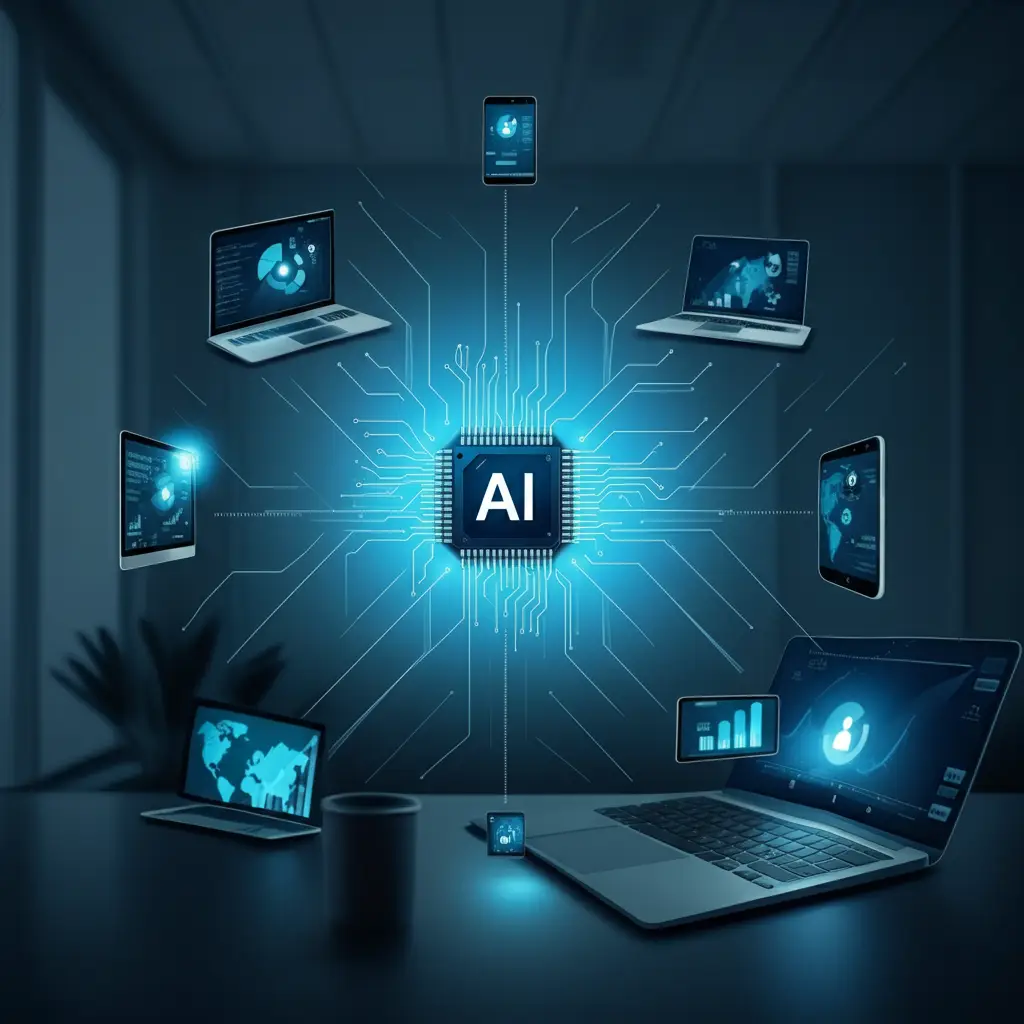
Artificial intelligence (AI) has transformed from an emerging technology to a must-have for modern businesses. Yet, many companies still struggle with the challenges that AI can solve. Issues like tool chaos, cognitive overload, and fragmented systems plague small and large organizations alike, affecting efficiency and decision-making.
AI integration offers more than just operational benefits. It’s a pathway to solving these issues while delivering enhanced productivity, reduced stress, and even newfound business growth. This blog dives into why AI integration is critical, explores its benefits across key industries, and provides actionable tips to help your business get started.
The Problem with Fragmented Systems
Tool Chaos and Cognitive Overload
Business tools should work together seamlessly to make tasks easier. The reality, however, is often the opposite. The average entrepreneur or employee switches between more than 15 apps daily to juggle tasks like communication, project management, invoicing, and customer support. This fragmentation causes:
- Increased cognitive load as individuals constantly adapt to different interfaces.
- Lost time searching for data across disconnected platforms.
- Greater stress from overwhelming workflows.
When systems don’t talk to each other, inefficiencies build up. Decision-making slows, productivity drops, and employees often find themselves with too much on their plates.
System Fragmentation Hurts Innovation
Take a SaaS company, for example. Its marketing team may use a CRM to track leads, a completely different platform for social media scheduling, and yet another tool for email campaigns. Without integration, extracting insights across these tools becomes tedious. Opportunities for innovation slip through the cracks as companies spend more time managing systems than focusing on growth.
Why AI Integration Makes the Difference
When AI integrates these disparate tools, it creates a cohesive ecosystem where data flows freely. Instead of working with isolated apps, businesses can operate on unified platforms where every task connects to a larger strategic goal.
Efficiency Like Never Before
AI integration automates repetitive, low-value tasks that often bog down teams. For example, in the e-commerce industry, AI-powered chatbots can handle customer service inquiries while syncing data with inventory systems to provide real-time updates. This ensures operations run smoothly while saving time for more complex tasks.
Improved Visibility and Decision-Making
Integrated AI systems centralize data across platforms, making it easier to analyze trends and draw insights. Imagine a healthcare provider using AI to connect electronic health records, scheduling systems, and patient communication channels. The result? A clearer picture of operations that empowers management to make well-informed, strategic decisions while ensuring better care.
Stress Reduction and Wellness
An unexpected but powerful benefit of AI integration is its impact on stress reduction. By eliminating manual tasks and improving workflows, it reduces daily stress on employees. Entrepreneurs and teams using AI integrated systems have reported:
- 67% decrease in daily stress.
- 340% improvement in focus.
- 3x clearer decision-making.
- 2.5x faster problem-solving.
AI-native tools provide clarity in workflows, freeing up mental bandwidth and allowing employees to focus on creative, high-value tasks. For professionals who have been juggling disorganized processes, the shift can feel like liberation.
Industries Making the Most of AI Integration
AI integration isn’t a one-size-fits-all approach. Different industries benefit in unique ways, unlocking their own specific advantages. Here’s a closer look at three sectors thriving with AI integration:
1. Healthcare
Healthcare organizations use AI integration to unify fragmented patient records, streamline appointment scheduling, and improve diagnostic processes. AI helps providers spend less time grappling with technology and more time focusing on patient care.
For example, an integrated AI platform can analyze patient data across imaging systems, lab results, and health histories to provide doctors with predictive insights. Hospitals that have adopted AI in this way report not only faster diagnoses but also better communication across departments.
2. SaaS (Software as a Service)
For SaaS companies, AI integration addresses challenges like siloed tools and data management. AI-powered insights enhance everything from product development to marketing automation. SaaS firms using integrated systems experience smoother onboarding processes, more cohesive collaboration among teams, and in many cases, improved customer retention.
3. E-commerce
E-commerce platforms rely heavily on quick, efficient operations to serve customers. AI integration enables better inventory management, personalized marketing campaigns, and customer support.
Take Amazon, for example. Its fulfillment centers use AI to optimize inventory placement, managing billions of products globally. AI algorithms analyze customer preference trends, ensuring stocks meet demand in real time. This not only boosts efficiency but also enhances customer satisfaction.
How to Start Integrating AI into Your Business
No matter your industry, the path to AI integration doesn’t have to be overwhelming. Use these steps to begin your transformation:
1. Assess Your Business Needs
Start with an audit of your current tools and systems. Identify where inefficiencies or distractions occur most often. Are there repetitive tasks that could be automated? Are your tools fragmented, leading to delays in accessing insights?
2. Choose the Right Platforms
Look for AI solutions that offer native integration features. Tools like AI-driven CRM platforms or unified data ecosystems are designed to streamline processes. Select systems that align with your unique goals, whether they’re boosting efficiency or improving customer experience.
3. Focus on Training and Change Management
AI integration can feel daunting to teams unfamiliar with it. Invest in user-friendly platforms and provide thorough training so employees feel confident adopting AI.
4. Monitor and Optimize Workflows
Once AI systems are up and running, monitor how they improve workflows. Gather feedback from team members and continuously optimize processes based on evolving needs and challenges. AI thrives on self-improvement, so use predictive and real-time analytics to refine implementation.
5. Partner with Experts
For thorough integration, consider partnering with AI implementation experts. They can help you customize platforms, migrate data, and ensure your team transitions smoothly into this new way of working.
A Future Worth Investing In
AI integration isn’t just a trend; it’s a necessity for businesses looking to stay relevant in competitive markets. By tackling tool chaos, cognitive overload, and system fragmentation, AI enables companies to operate more efficiently, make data-driven decisions, and even reduce stress along the way. From e-commerce giants to SaaS startups, the evidence is clear: AI-native integration delivers tangible, transformative results.
The question now is simple. Are you ready to move past the chaos, take control of your tools, and step into a future where your business isn’t just visible—but thriving? The power of AI is waiting to elevate your potential. Start integrating today!