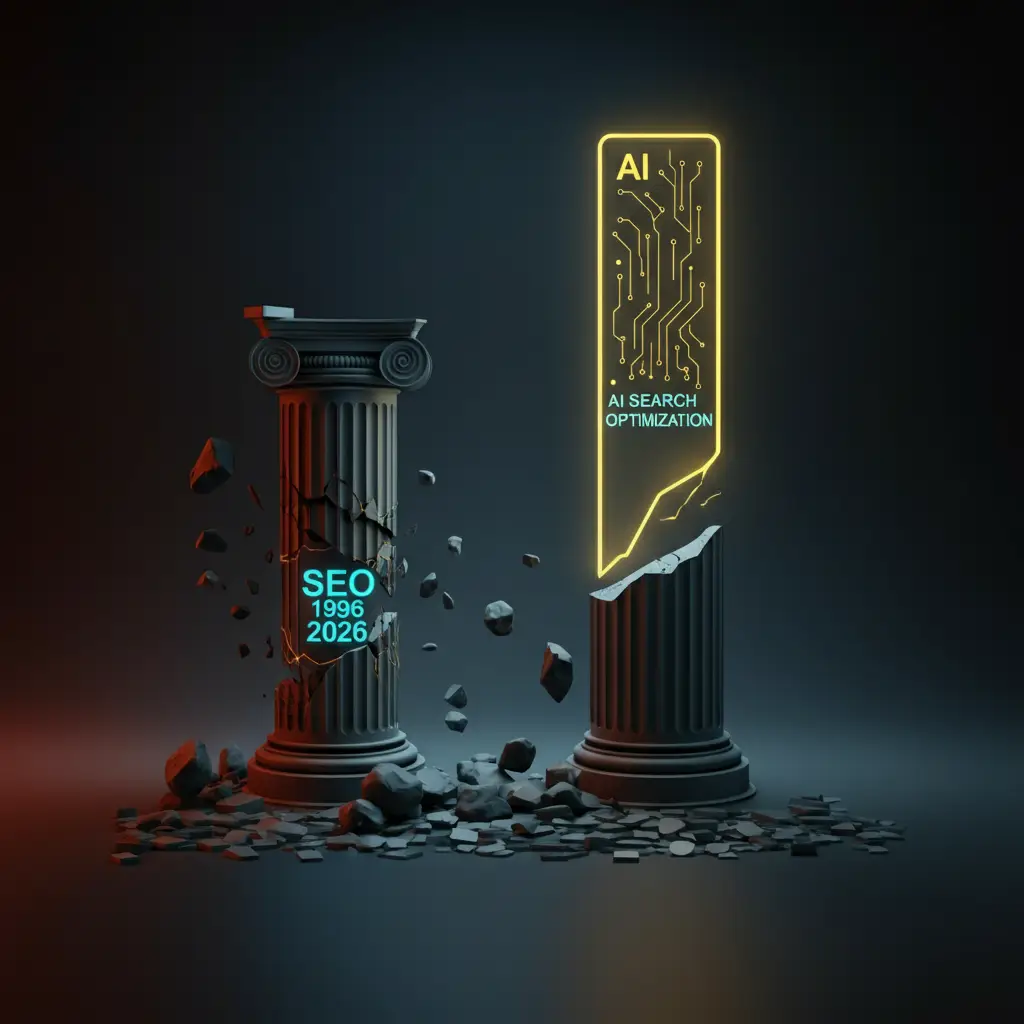
For decades, Search Engine Optimization (SEO) has been the central pillar of digital marketing. Businesses poured billions into strategies aimed at securing top spots on Google and other search engines. However, a monumental shift is underway, and SEO as we know it is on the verge of extinction. The $200 billion SEO industry is projected to collapse within the next 18 months, and the rise of AI-driven search optimization is poised to replace it.
Here’s what’s happening, why it matters, and how businesses can prepare for this paradigm shift.
The Timeline of SEO’s Decline
To fully grasp the gravity of this change, we need to understand the timeline of SEO’s fall:
📅 March 2025: AI Takes Over Search
By early 2025, 70% of searches are expected to shift to AI-first platforms. Tools like ChatGPT, Google’s Bard, and other conversational AI systems are rapidly becoming the go-to solutions for quick, accurate, and personalized answers. Instead of typing queries into a traditional search box, users engage with these AI assistants in natural language. This shift means less traffic being funneled through traditional search engines like Google.
📉 June 2025: Google Search Volume Crashes
By mid-2025, Google is projected to witness a 40% drop in search volume. Businesses reliant on Google’s algorithms for visibility will face a harsh reality as consumer behavior rapidly pivots to AI-driven platforms.
❌ September 2025: Major SEO Agencies Shut Down
With diminishing search activity on Google and outdated methodologies, many traditional SEO agencies will begin to shut their doors. The same strategies that once brought businesses success will no longer yield results in an AI-centric search world.
💼 December 2025: The “SEO Expert” Job Title Becomes Obsolete
The classic role of an SEO consultant will fade into irrelevance. Keyword stuffing, link-building, and optimization for static SERP rankings won’t translate to the dynamic, query-focused nature of AI-driven search systems.
🔥 March 2026: AI Search Optimization Becomes the New Standard
By spring 2026, AI Search Optimization will fully replace traditional SEO. Businesses and marketers making early pivots to AI-driven strategies will enjoy significant advantages. They’ll find their visibility, customer engagement, and revenue soaring in ways unimaginable under traditional SEO methodologies.
Why is SEO Dying?
Traditional SEO is losing its ground for three key reasons:
1. User Behavior is Evolving
Consumers no longer want to sift through pages of search results to find the information they need. AI systems provide concise, direct answers in real-time, making them far more appealing than scrolling through search engine results pages (SERPs).
For instance, instead of searching “best CRM software for small businesses” on Google, users can ask AI assistants, “What’s the best CRM software for a business with 10 employees?” and receive a tailored answer instantly.
2. AI is More Efficient Than the Traditional Web
AI-powered platforms like OpenAI’s ChatGPT rely on deep-learning models that synthesize billions of data points to provide solutions. They eliminate the need for human-created meta descriptions, backlinks, or keyword optimization because their results are driven by context and relevance.
Furthermore, these systems integrate seamlessly with devices and services. Smart assistants like Alexa, Siri, and Google Assistant embed AI into our daily lives, transitioning search away from browsers entirely.
3. Businesses Need Faster ROI
SEO often requires months of effort to yield results, whereas AI-based strategies deliver real-time visibility and faster lead generation. Businesses seeking quicker returns on investment are naturally gravitating toward methods that prioritize immediacy and results.
The Rise of AI Search Optimization
While SEO is on the decline, AI Search Optimization is not just a replacement. It’s an evolution that unlocks massive opportunities for businesses. Here’s why AI optimization is the future of search:
🌟 Tailored, Hyper-Personalized Results
AI systems understand context, user intent, and past behavior. This allows for hyper-accurate recommendations that traditional search engines can’t replicate. Companies leveraging AI algorithms can connect with their ideal audience more directly, creating better engagement and higher conversions.
💰 Faster Market Insights
AI doesn’t just process information; it analyzes data in ways that reveal market trends, consumer behavior patterns, and gaps in the industry. This kind of insight enables businesses to pivot and innovate faster than their competition.
📊 Enhanced Visibility in AI Ecosystems
Just as businesses optimized for Google’s rankings in the SEO era, they now need to optimize for AI ecosystems. This can mean structuring content to answer AI-driven queries, partnering with AI platforms, or even training conversational AI models to highlight their products or services.
How to Adapt to the AI Revolution
Despite the shift, there’s good news for businesses that take timely action. Here are clear steps to future-proof your marketing strategy:
1. Understand How AI-Driven Search Works
Start researching how AI systems like ChatGPT, Bard, and AI assistants operate. Experiment with queries and observe how they deliver answers. This firsthand understanding can guide content creation tailored to AI-driven platforms.
2. Optimize for Conversational Queries
Create content designed to answer conversational queries. For instance, instead of writing “Best Laptops 2025,” write content that answers specific user intentions like, “Which laptop is best for graphic design in 2025?”
3. Leverage AI Visibility Tracking Systems
Invest in tools that analyze your current visibility on AI platforms. These systems can help you understand where your brand stands in the AI landscape and identify opportunities to improve your presence.
4. Rebuild Your Content Strategy Around AI
Align your content strategy with AI-driven platforms. Consider creating FAQs, how-to guides, or product comparisons tailored for AI responses. Design your website’s structure to feed AI models relevant, easy-to-process data.
5. Automate and Innovate
AI isn’t just changing search; it’s changing how businesses operate. Adopt AI tools to automate repetitive tasks, improve customer interactions, and increase efficiency across departments. Efficiency is key to staying competitive in the AI era.
Closing Thoughts
SEO isn’t vanishing overnight, but its role is rapidly diminishing. For businesses and marketers, clinging to old strategies could mean watching the competition leave them behind. Meanwhile, those willing to embrace the shift to AI-driven optimization are positioning themselves to lead the future of digital marketing.
The revolution is here, and it’s happening faster than many anticipated. The entrepreneurs, marketers, and businesses who pivot now will capture the shift’s opportunities, leaving those who resist struggling for relevance.
Are you ready to adapt, innovate, and dominate the AI-powered future? The time to act is now.